Arrhythmia

Content
- About Arrhythmia
- Types of Arrhythmia
- Cause of Arrhythmia
- Common Symptoms
- Diagnosis and Testing
- Treatments
- Medication Treatment
- Surgery and Other Procedures
About Arrhythmia
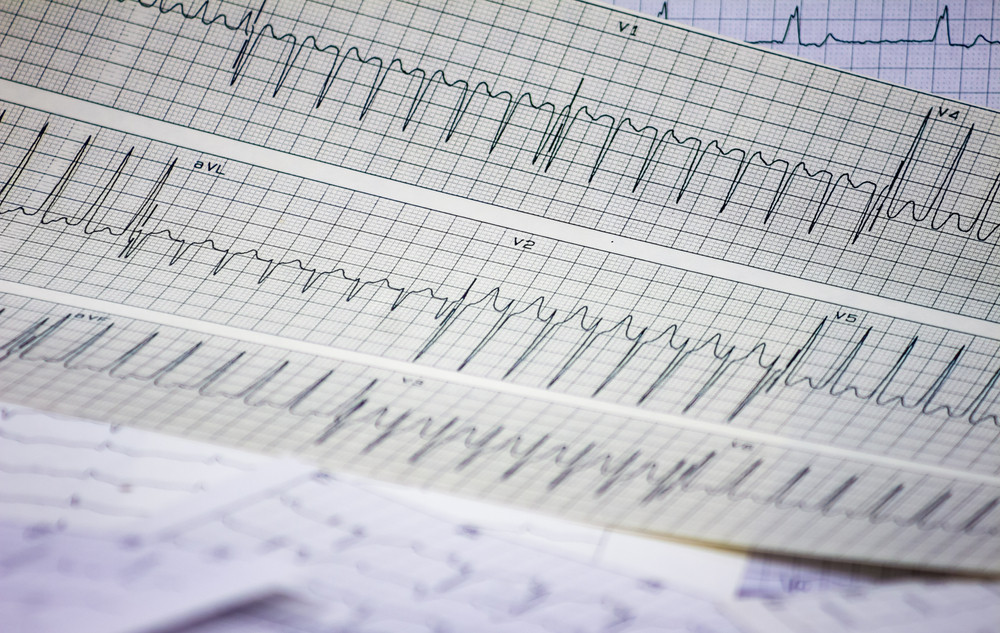
An arrhythmia is an abnormal rate and rhythm of the heartbeat. The normal resting heart rate for adults is between 60-100 beats per minute. If the heart rate is too slow, too fast, or beats in irregular patterns, it can be considered as an arrhythmia.
Types of Arrhythmia
Arrhythmia is one of the most common types of heart disorders. The level of severity and the effect on the body differ according to the different types of arrhythmia. Dangerous arrhythmias can cause sudden death. Among all types, ventricular tachycardia, ventricular fibrillation and heart block have the highest mortality rate.
Following are some common types of arrhythmia:
- Sinus bradycardia
- Sinus tachycardia
- Ectopic heartbeat
- Supraventricular tachycardia
- Atrial tachycardia
- Atrial fibrillation
- Ventricular tachycardia
- Ventricular fibrillation
- Heart block
- Tachy-brady syndrome (also known as sick sinus syndrome)
Cause of Arrhythmia
Heart Diseases
- Ischemic heart disease / Coronary heart disease
- Chronic hypertension
- Heart failure
- Rheumatic heart disease
- Cardiomyopathy
- Myocarditis
Common Symptoms
- Hyperthyroidism
- Hypokalemia
- Hyperkalemia
- Hypomagnesemia
- Acid-base disorders
- Diabetes
Other Causes
- Primary arrhythmia
- Family inheritance
- Intake of alcohol, caffeine, cigarettes, and other drugs
Common Symptoms
- Palpitation
- Chest tightness
- Heartache
- Fatigue
- Shortness of breath
- Dizziness
Diagnosis and Testing
- Blood test
- Electrocardiogram (ECG)
- 24-hour electrocardiogram
- Exercise electrocardiogram examination
- CT coronary angiogram
- Catheter inspection
Treatments
Medication Treatment
Treatment depends on the type and cause of arrhythmia and the severity of symptoms.
Surgery and Other Procedures
If medication treatment is not effective or not tolerated, surgery and other invasive procedures may be necessary:
- Catheter Ablation: It is a procedure that typically treats rapid heartbeat. It works by using radiofrequency or extreme cold energy to correct heart rhythm problems.
- Permanent Cardiac Pacemaker: Mostly used in patients with a heart rate too slow. It is an implantable device that helps to monitor and restore any abnormal heart rhythm.
- Implantable Cardioverter Defibrillator (ICD): ICD is an implantable device that treats ventricular tachycardia and ventricular fibrillation. As soon as an abnormal rhythm is detected, the device will automatically correct it by producing an electrical shock.