
Specialist Services / Geriatric Medicine
Geriatric Medicine
Assessment and treatment of complex health issues in older adults — from functional and cognitive evaluation to multimorbidity care, fall prevention and rehabilitation.
ABOUT
About Geriatric Medicine
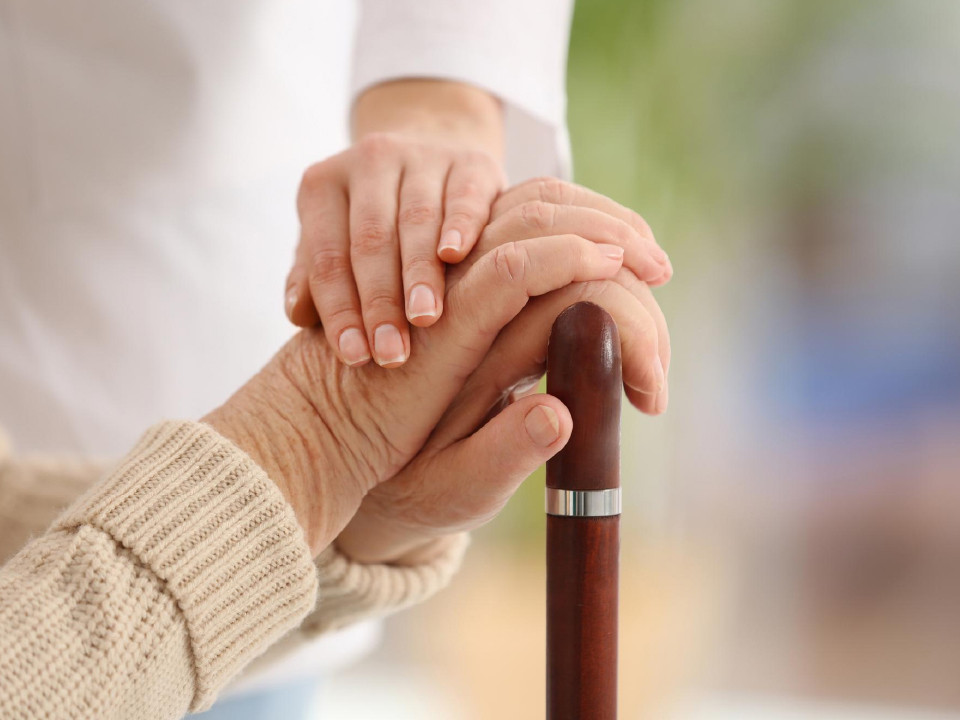
Geriatric medicine is a sub-specialty under the specialty of internal medicine. It specifically targets and promotes the health of the elderly, helps prevent and treat diseases of the elderly, and maintains and improves their quality of life. The elders here referred to do not have a specific age division, but instead depend on the needs of patients. For example, a 50-year-old dementia patient can also be taken care of by a geriatrician.
Geriatrics is different from adult internal medicine because it addresses the complex and unique needs of the elderly. There are significant differences between young and old in terms of their physiological reserves, capacity to cope with diseases, and ability to recover from illnesses. In addition, the elderly usually have more than one disease, and the clinical presentation is often atypical. They are also susceptible to complications from invasive examinations and side effects of drugs.
Cognitive impairment, eating problems, decreased mobility and self-care abilities, and social problems are common among the elderly. It is best to have a comprehensive assessment conducted by a geriatrician who then can coordinate a multidisciplinary team to follow up and provide overall care for elderly patients.
Services & care
Investigations & treatment
Geriatricians perform comprehensive assessment and detailed history-taking, arrange appropriate examinations and tests to identify causes of illness, and formulate personalised treatment plans. They also coordinate medications, treatment priorities and rehabilitation when elders have multiple conditions.
Conditions best managed with geriatrics
The “giants of geriatrics” — early signs of decline
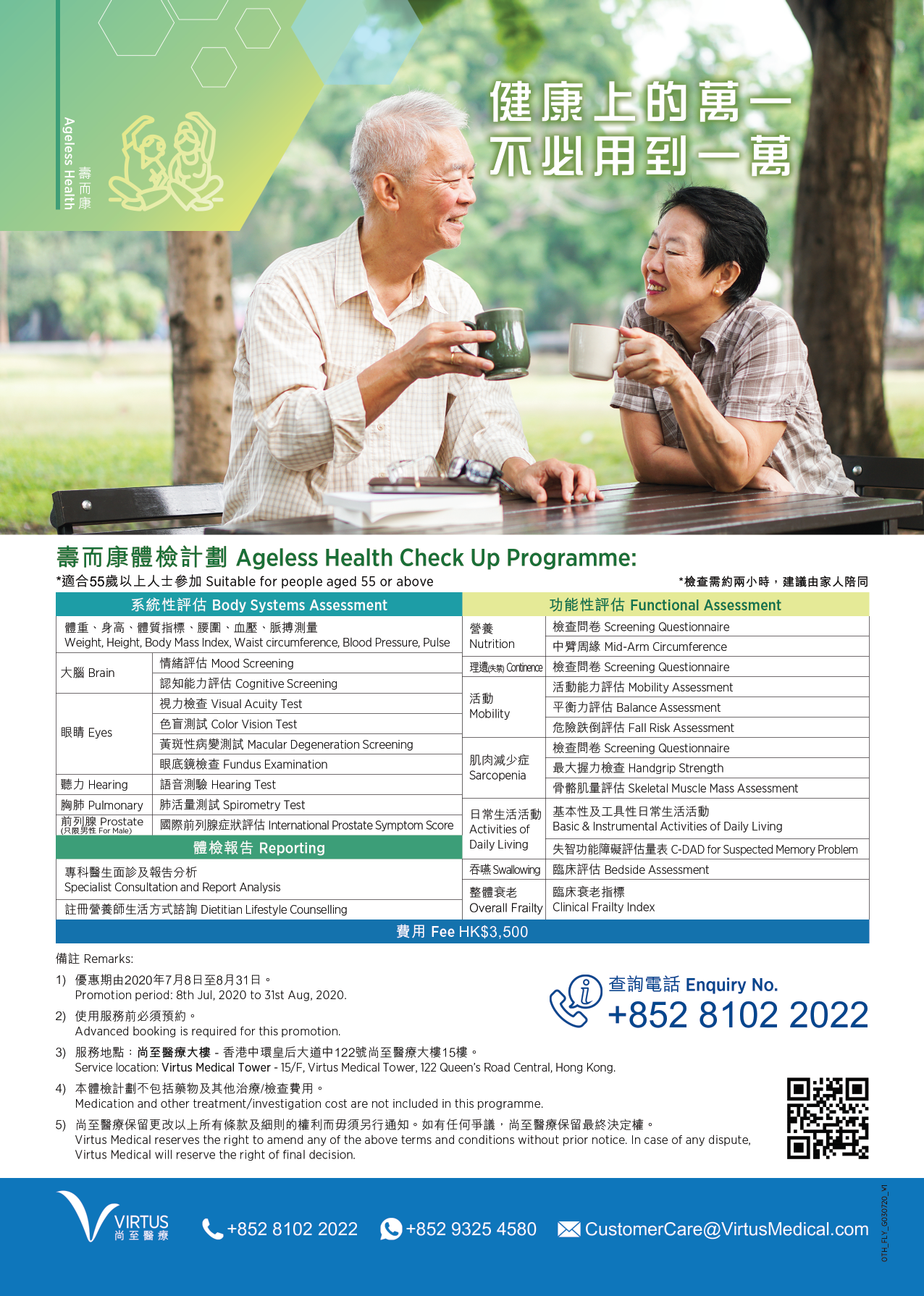
- Mobility problems, unsteady gait, falls
- Urinary or faecal incontinence, cognitive decline
- Suspected drug side effects, frailty or sarcopenia
Individual symptoms & diseases
- Memory loss, dementia
- Stroke and sequelae
- Eating disorders, malnutrition, weight loss
- Mobility difficulty, falls, Parkinsonian syndromes
- Osteoporosis and fragility fractures
- Hypertension, hyperlipidaemia, diabetes and other metabolic diseases
Geriatric services
- Assessment for health-conscious elders with advice on prevention, wellness and disease management.
- Comprehensive care for elders with multiple comorbidities.
- Inpatient care: collaboration with orthopaedics, neurology, oncology and other teams to support recovery.
TEAM
Our team


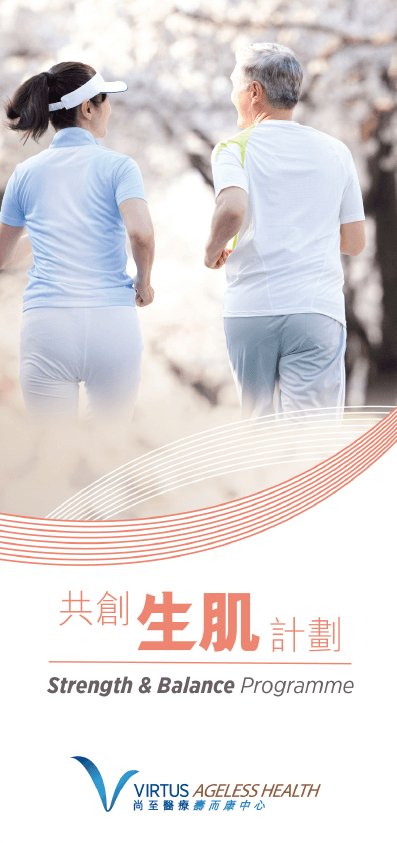
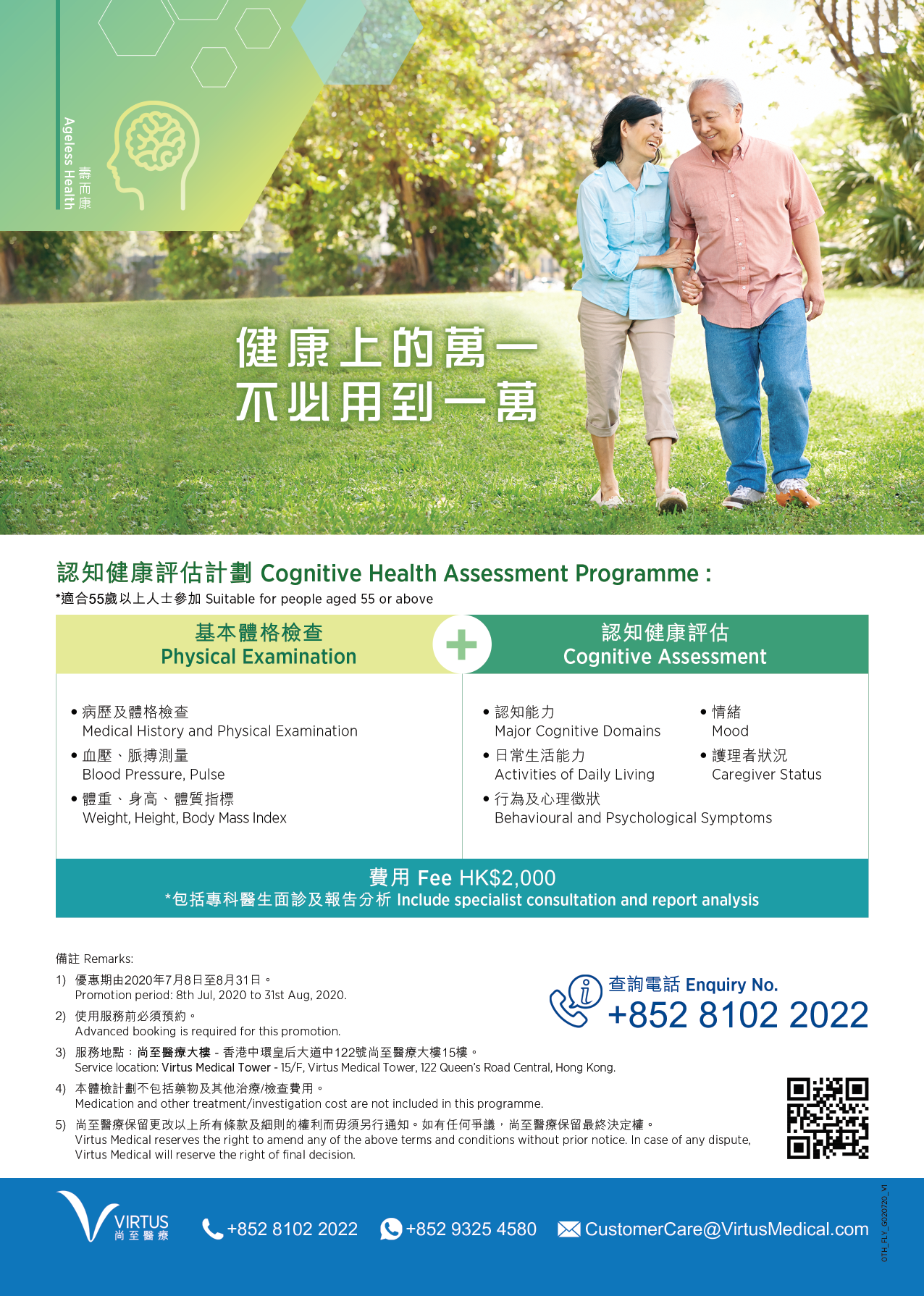
Brochures & leaflets

EDUCATION
Health articles

What is geriatric medicine?
Cardiology, orthopaedics, urology and ENT are familiar specialties — but did you know geriatric medicine is also a specialty? It is a branch of internal medicine; Princess Margaret Hospital established Hong Kong's first geriatrics unit in the 1970s.

How to diagnose and assess dementia?
To diagnose and assess dementia, four areas matter: underlying cause, behavioural and psychiatric symptoms, degree of decline, and caregiver status. Dementia is an umbrella term; Alzheimer's disease is the most common cause.

Dementia patients' mortality increased 2.6-fold during the pandemic
Mortality among people with dementia who contracted COVID-19 rose 2.6-fold — they may struggle with infection-control measures in hospital, isolation from family lowers mood, and illness often becomes more severe.
Frequently Asked Questions
Our Geriatric Medicine service provides outpatient assessment and follow-up, with investigations or multidisciplinary coordination as clinically indicated. The exact scope of care is determined by the attending physician.
Consider a consultation if you have persistent or recurrent symptoms, an existing diagnosis requiring specialist follow-up, or a referral from your family doctor.
Submit a request via the booking page, call +852 8102 2022, or select a doctor from the name-card / care team pages before booking.
Please bring identification, a referral letter (if any), previous investigation reports or imaging, and a medication list to support assessment.
Clinic location depends on the doctor’s schedule and may be in Central, Tsim Sha Tsui or another centre. Our team will confirm the venue when arranging your appointment.