Specialist Services / Nephrology
Nephrology
Diagnosis and treatment of kidney and electrolyte disorders — from urinalysis and renal function testing to dialysis planning and transplant assessment.
About Nephrology
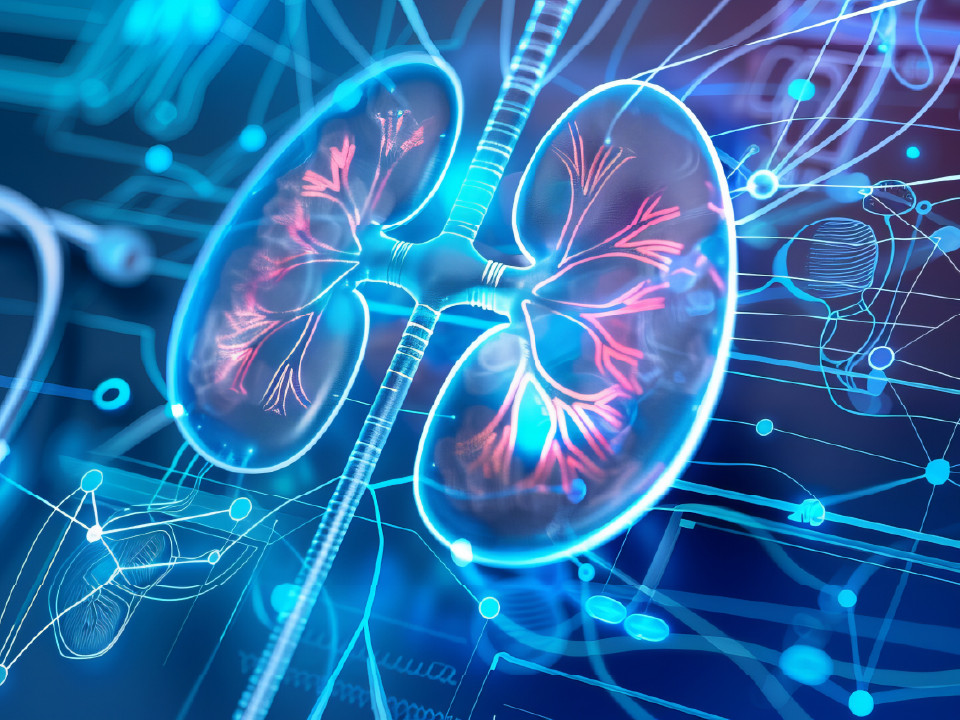
Nephrology is a subspecialty of internal medicine that specializes in the diagnosis and treatment of kidney diseases and electrolyte disorders. The kidneys are two organs located on each side of the loin. They function as filters of blood to remove metabolic wastes (e.g. urea, creatinine, uric acid etc) and excessive fluid from the body; help regulate the electrolytes (e.g. sodium, potassium, calcium and phosphate), and secret hormones to stimulate the production of red blood cells and activate vitamin D. If the kidney fails, unwanted substances will build up in our blood and can cause dysfunction or damages to other organs or tissues. Acute or chronic kidney failure may be reversible with prompt identification and treatment of the underlying cause. If kidney function becomes irreversible and progresses to end-stage kidney disease, patients will need dialysis or kidney transplant to sustain their lives.
Services & treatment
Common symptoms
- Changes in urination: nocturia, reduced output, blood in urine (haematuria, occult blood), foamy urine (proteinuria)
- Swelling (especially eyelids, legs and abdomen), breathlessness, high blood pressure
- Loss of appetite, nausea, vomiting
- Fatigue and weakness (anaemia)
Common causes of chronic kidney failure
- Diabetic nephropathy
- Hypertension
- Glomerulonephritis (e.g. IgA nephropathy, focal segmental glomerulosclerosis, lupus nephritis)
- Kidney stones
- Hereditary disease (e.g. polycystic kidney disease)
- Surgical removal of the kidney
Diagnosis & investigations
- Urinalysis: detects occult blood and proteinuria
- Blood tests: renal function and electrolytes
- Renal biopsy
- Imaging studies
Treatment
Without appropriate treatment, kidney disease may progress to kidney failure. The key to managing chronic kidney disease is identifying and treating the underlying cause. Medication helps control the condition, slow decline in renal function, and reduce the impact of electrolyte disturbance, fluid overload and anaemia. When end-stage kidney failure is reached, renal replacement therapy is required — including haemodialysis, peritoneal dialysis or kidney transplantation.
| Five stages of chronic kidney disease | ||
| Stage | Estimated GFR (eGFR) | Kidney function |
| Stage 1 | ≥90 | Normal kidney function with signs of kidney damage such as proteinuria or haematuria |
| Stage 2 | 60–89 | Mild chronic kidney failure |
| Stage 3 | 30–59 | Moderate chronic kidney failure |
| Stage 4 | 15–29 | Severe chronic kidney failure |
| Stage 5 | <15 | End-stage chronic kidney failure |
Drug therapy
Medications target the underlying diseases that lead to kidney failure. They can slow progression of chronic kidney disease and delay the need for dialysis or transplantation. Drugs also help manage related symptoms and conditions such as oedema and anaemia.
Renal replacement therapy
Haemodialysis
Haemodialysis (“blood cleansing”) draws blood from the body, filters it through a dialysis machine (artificial kidney) to remove toxins and excess fluid, then returns it to the body. Each session lasts about 3–5 hours; patients usually attend hospital or a dialysis centre two to three times per week.
Before starting, a vascular access is created surgically — either a tunneled dialysis catheter in the neck vein (painless connection each session) or an arteriovenous fistula or graft in the forearm (needle puncture at each session).
Peritoneal dialysis
Peritoneal dialysis (“belly wash”) uses the large surface area of the peritoneum to remove toxins and excess fluid. A catheter is implanted into the peritoneal cavity before treatment begins. After training, many patients can perform exchanges at home.
With CAPD, about 1.5–2.5 litres of dialysate is infused and drained three to four times daily (45–60 minutes each). With APD, a machine performs exchanges automatically overnight (8–10 hours) while the patient sleeps.
Kidney transplantation
Data show lower mortality for transplant recipients than for patients on haemodialysis or peritoneal dialysis. Most transplants add a donor kidney while leaving the native kidneys in place. After a successful transplant, dialysis is no longer needed, but lifelong immunosuppressive medication is required to prevent rejection.
Our team



Service brochures
Health articles

小便有泡=蛋白尿? 醫生1招教你分清楚!
坊間不少人覺得小便有泡就是患上了蛋白尿,其實不然,可能是小便撞進水裏時所產生的氣泡。那怎麼分清是撞擊產生的氣泡還是蛋白尿呢? 首先要知道兩種氣泡的性質。在打發雞蛋時,碗邊會有一些具黏性的氣泡,歷久不散,這些就是蛋白;而小便撞進水裏產生的氣泡則是沒有黏性,而且很快就會爆破。

繼發性副甲狀腺亢進
繼發性副甲狀腺亢進(Secondary Hyperparathyroidism)聽來陌生,但其實並不罕見,更是慢性腎病患者的常見問題之一。
換腎非一勞永逸
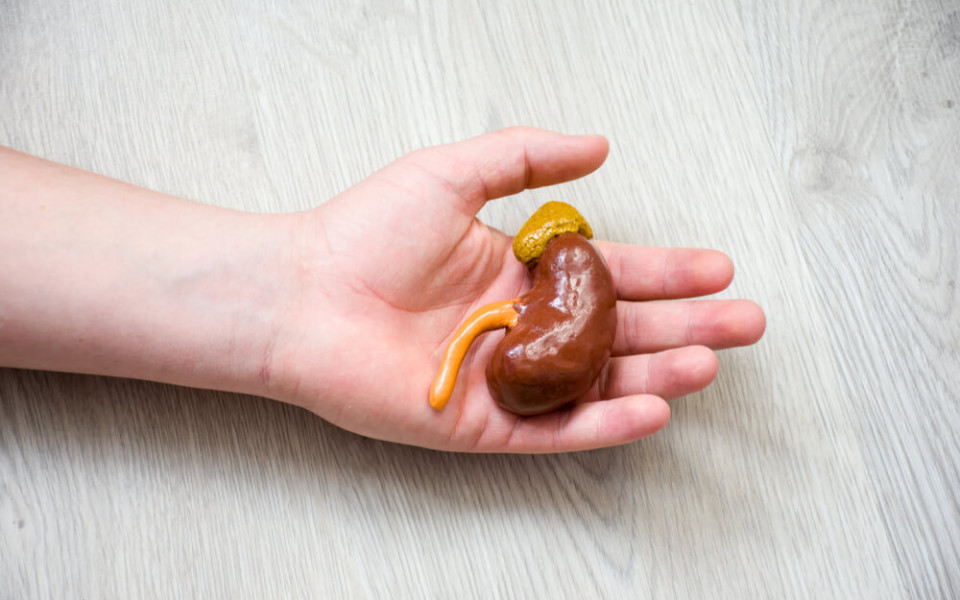
對於需要長期洗腎而又適合換腎的病人而言,換腎是他們最理想的治療方案,亦是他們的希望,畢竟末期腎病病人能接受換腎的機會不算多。成功完成換腎手術且沒有出現排斥或其他併發症,也不是一勞永逸,病人仍然需要定期檢查腎功能及服用適量的抗排斥藥物。